Should You Stay or Leave? Navigating Toxic Relationships When Children Are Involved
The Dilemma Parents Face
Few decisions in life weigh as heavily as the choice to leave a toxic or abusive partner when children are involved. For many parents, it feels like an impossible dilemma. On one hand, you want to protect your children from chaos, arguments, or harm. On the other, the thought of uprooting their lives - or raising them alone - can feel overwhelming.
It’s not unusual to feel paralysed by questions like:
“Am I damaging my children more by staying?”
“Will leaving break their world apart?”
“What if I can’t protect them once I leave?”
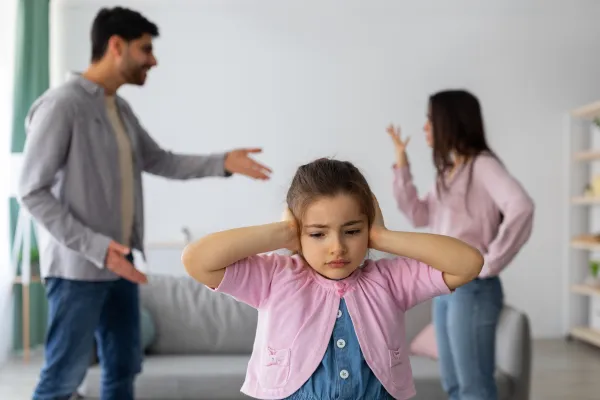
These questions keep parents awake at night. And while there are no easy answers, one truth is clear: children absorb everything. Even if they don’t see the shouting, the silent tension, or the walking on eggshells, they feel it.
This blog aims to bring clarity to an incredibly complex situation. We’ll explore how to recognise abuse and high-conflict dynamics, the real impact on children, the myths about “staying for the kids,” and when it may be time to leave. You’ll also find practical guidance on protecting your children legally and emotionally if you decide to step away.
Recognising the Signs: What Is Abuse and High-Conflict Parenting?
Abuse doesn’t always look like bruises or screaming matches. Sometimes it’s subtle, wearing you down over months or years until you hardly recognise yourself. And in families, “high-conflict” can look deceptively ordinary from the outside - but inside, it corrodes everything.
Abuse in relationships isn’t always obvious. It can be loud and frightening, or quiet and insidious. It often shows up in different ways:
Emotional abuse: constant criticism, belittling, or gaslighting that leaves you doubting yourself or feeling unworthy.
Psychological abuse: intimidation, threats, controlling your choices, or isolating you from family and friends.
Financial abuse: restricting access to money, monitoring spending, or using finances as a tool of control.
Physical abuse: violence, aggression, or even the threat of harm.
Sexual abuse: pressuring or demanding sex (sexual acts) without consent.
Each of these leaves deep scars. And while some are more visible than others, they all damage self-worth and create an unsafe environment for both you and your children.
High-conflict parenting includes:
Arguments that never resolve, only escalate.
Undermining your role in front of the children.
Using the children as pawns in disagreements.
Creating an unpredictable environment where peace feels impossible.
And here’s what every parent needs to hear: even if children don’t witness the arguments directly, they sense them. Their nervous systems pick up on raised voices, long silences, and the tension in the room. They may not have the words, but they know when something is wrong.
Children in this environment often develop anxiety, hypervigilance, or feelings of guilt - believing the conflict is somehow their fault. Over time, this shapes how they see themselves and what they believe love is supposed to look like.
The Harm of “Waiting Until They’re Older”
One of the most common reasons parents stay is the belief that leaving will damage their children more than staying. “I’ll put up with it until they’re older. Once they’re grown, I’ll leave.”
At first, this can sound noble. A parent sacrifices their own wellbeing to “keep the family together.” But research consistently shows the opposite: children exposed to ongoing toxic conflict suffer long-term emotional harm.
Studies reveal that children growing up in abusive or high-conflict homes are more likely to:
Develop anxiety, depression, and low self-esteem.
Struggle academically due to stress and lack of focus.
Experience sleep problems or nightmares - bed wetting is common.
Repeat unhealthy patterns in their own adult relationships.
And here’s the heartbreaking part: a child doesn’t think, “Mum is staying for me” or “Dad is sacrificing for me.” They don’t see the calculation you’re making in your heart. What they do see is the day-to-day reality of how love plays out in their home.
Imagine a child sitting quietly at the dinner table, watching one parent roll their eyes, mock, or belittle the other. They don’t have the emotional maturity to think, “My parent is being abused.” Instead, they absorb the message: “This is what love looks like, this is normal.”
A child who sees shouting and slamming doors learns that anger is part of closeness.
A child who watches silence and avoidance learns that love means swallowing pain.
A child who notices fear in their parent’s eyes learns that relationships come with danger.
These unspoken lessons settle deep. And as that child grows, they often play out the same patterns: either stepping into the role of the controller, or unconsciously accepting mistreatment because it feels familiar. The cycle repeats, not because they want it to, but because it’s the blueprint they were given.
So when you tell yourself, “I’ll wait until they’re older,” it may feel like protection - but in truth, it’s prolonging their exposure to harm. Every day spent in a toxic environment is another day their developing heart and mind is learning that love and fear belong in the same room.
When Is It Time to Leave?
There is no one-size-fits-all answer, but there are clear red flags and non-negotiables that signal it may be time to go.
Safety Red Flags
Physical violence or threats of harm.
Children being used as pawns or manipulated against you.
Threats of self-harm or harm to others if you try to leave.
Stalking or controlling behaviours that compromise your safety.
Emotional Red Flags
Living in constant fear of their moods or reactions.
Being gaslit until you doubt your own memory or sanity.
A complete loss of your identity or voice in the relationship.
Feeling isolated from family, friends, or financial independence.
If any of these resonate, trust your instincts. You are not being “dramatic” or “too sensitive.” You are recognising the reality of an unsafe environment.
And here’s something important to remember: age matters. The younger the children are, the easier it is for them to adapt to two homes. When separation happens early, having two parents in two different spaces quickly becomes their norm. They are less likely to have been conditioned into believing that toxic dynamics - shouting, criticism, manipulation, or fear - are what love and relationships are supposed to look like.
It is far better for children to grow up with separate parents, where at least one models a healthy, respectful relationship, than to stay in a single home where toxicity is normalised. Children don’t need “one roof” as much as they need safety, consistency, and the chance to witness love modelled in its healthiest form.
Leaving is rarely simple, I do understand this - but in reality it's the only path to creating a safe and loving future for yourself and your children.
Legal Protection: Why a Child Arrangements Order (CAO) Matters
One of the biggest challenges after leaving a toxic or abusive partner is managing co-parenting. While some couples can navigate separation amicably, those leaving high-conflict relationships often face ongoing manipulation and control attempts.
This is where legal protection becomes essential.
🤔 What is a Child Arrangements Order (CAO)?
In plain English, a Child Arrangements Order (CAO) is a court order that sets out where your children will live, how much time they’ll spend with each parent, and how they’ll be cared for. It provides structure and clarity when informal agreements simply don’t work.
When applying for a CAO, it’s also possible to ask the court to consider additional protections, depending on your situation. For example:
Prohibited Steps Orders (PSO): Prevent a parent from making certain decisions without the court’s permission (such as moving a child abroad or changing their school).
Specific Issue Orders (SIO): Resolve particular disputes about a child’s upbringing (such as medical treatment or education).
Non-Molestation Orders (NMO): Provide protection from harassment, threats, or abuse, ensuring the safety of you and your child.
These can be applied alongside a CAO if there are concerns about safety, welfare, or decision-making. Ultimately, the court’s focus is always on the child’s best interests.
❌ Why “handshake agreements” fail
In high-conflict separations, informal agreements almost always fall apart. An ex-partner might cancel or change plans at the last minute, use the children as a bargaining tool, or deliberately undermine your parenting to maintain control. These behaviours are not just frustrating - they create instability for the children, which high-conflict personalities often thrive on.
Without a legal framework in place, you can find yourself stuck in a constant cycle of stress, arguments, and uncertainty. Every week becomes a negotiation, and the children are the ones caught in the middle.
A Child Arrangements Order (CAO) changes that dynamic. It:
Puts the child’s welfare first by setting a clear, structured routine.
Closes the door to manipulation by making both parents’ rights and responsibilities legally binding.
Provides clarity and accountability, giving you a clear point of reference if disagreements arise.
Reduces ongoing conflict by removing the grey areas where disputes usually take root.
In short, a CAO replaces chaos with stability, ensuring the children’s needs - not parental power struggles - remain the priority.
☑️ Extra support for high-conflict cases
If you’re facing the courts or navigating a toxic co-parent, I’ve created a free resource to guide you. My Parallel Parenting Guide offers practical strategies for managing high-conflict dynamics, step-by-step advice on navigating the UK courts, and tools for protecting both your children and your peace of mind.
This resource has already helped many parents shift from constant battles to a more structured, child-centred approach - so please help yourself to the guide.
Steps to Take Before and After Leaving
Before Leaving: Safety Planning
Leaving a toxic or abusive partner isn’t just about walking out the door - it’s about protecting yourself and your children every step of the way. Careful planning gives you back a sense of control in a situation that often feels chaotic.
✔️ Confide in a trusted person. Abuse thrives in silence. Sharing what’s happening with someone safe - a close friend, family member, or professional - can break that silence and remind you that you’re not alone. Sometimes just saying the words, “I need help,” is the first act of reclaiming your power.
✔️ Gather important documents. These aren’t just bits of paper; they are your lifeline. Passports, birth certificates, school and medical records, bank details - having them ready means one less thing to worry about when your focus must be on safety.
✔️ Secure finances where possible. Abusers often use money as a chain. If you can, open a separate bank account or put aside small amounts, even coins. Financial independence, no matter how small, builds options and confidence.
✔️ Create a safety plan. This isn’t paranoia - it’s empowerment. Ask yourself: Where would I go if I had to leave today? Who could I call if I couldn’t drive? Do I have a bag with essentials ready? Thinking these things through ahead of time gives you clarity and can make all the difference in a crisis.
✔️ Keep records. Abuse is often invisible from the outside, which is why keeping a log matters. Write down dates, times, and incidents. Save threatening texts or emails. Keep them somewhere safe - such as a private journal or a secure online folder. If legal proceedings follow, these records may protect both you and your children.
After Leaving: Supporting Children
Leaving is just the first step. The real journey is helping your children feel safe, secure, and understood as they adjust.
✔️ Reassure them it’s not their fault. Children almost always believe they caused the conflict. They need to hear, over and over: “This isn’t because of you. This isn’t your fault.” Those words become anchors in a storm.
✔️ Keep routines consistent. Bedtimes, school runs, and rituals may seem small, but they signal safety when everything else has changed. Routine is the soil where children begin to heal.
✔️ Talk openly, at an age-appropriate level. Honesty builds trust. Be clear without overloading them. For example: “Mummy and Daddy argue too much, and it isn’t healthy. Living separately will help things feel calmer.”
✔️ Encourage emotional expression. Let them cry. Let them be angry. Let them ask the same questions over and over. By holding space for their emotions, you teach them that feelings are safe - something many children of toxic households never learn.
✔️ Seek support. Counselling, play therapy, or a trusted adult outside the home can give children tools to process their emotions. Sometimes, having just one safe person to confide in can make all the difference.
✔️ And don’t forget yourself. This may feel impossible when your energy is stretched thin, but your healing sets the tone for theirs. When children see a parent rebuilding, setting boundaries, and reclaiming their self-worth, they learn resilience by example. You don’t need to be perfect - you just need to be real.
Next Step for You: Every family’s situation is different, and sometimes the safest and wisest thing you can do is talk it through with someone who understands both the emotional and legal landscape. If you’d like tailored advice for your situation and to explore whether working together could support you - I invite you to book a private call with me today. Together, we’ll create a plan that protects your children, honours your strength, and guides you toward a safer future.
Choosing Courage….
As you already know deep down, there is no “perfect time” to leave a toxic or abusive relationship. But there is a right time - and that’s the moment you realise that staying is causing more harm than good.
Yes, leaving when you have children involved is daunting. It takes courage, careful planning, and support. But please hear this: it is also one of the greatest acts of love you can ever give them. You are giving your children the chance to grow up in a home where safety, respect, and love are the norm - not the exception.
You are not failing your children by walking away. You are showing them what strength truly looks like. You are teaching them - not through words, but through action - about self-worth, healthy boundaries, and what love is supposed to feel like. That lesson will echo through their lives far louder than any argument they might have overheard.
If you are standing at this crossroads right now, know that you do not have to walk it alone. There is support, there is guidance, and there is healing - not just for you, but for your children too. The future can look different. And it can start with the step you choose to take today.
If you’re feeling confused or unsure and want clarity about your situation and what your path forward could look like, I would be more than happy to talk to you. You can book a consultation call with me here. Together, we can explore your options, bring clarity to the chaos, and begin mapping out the safe and healthy future you and your children deserve.
With love,
Rebecca P. Fox
Psychotherapist | Educator | Author | Survivor


